FREE Sketch Insurance Claim Icon for Modern Web and Editorial Design
As a seasoned blog designer and digital publisher, I’m always on the lookout for graphic design assets that elevate content visuals without compromising clarity or performance. Recently, I tested the FREE Sketch Insurance Claim Icon, and it immediately caught my eye with its clean, minimalist aesthetic and broad usability across editorial and web platforms. This black-and-white icon is more than just a simple illustration—it’s a strategic tool in the creative marketer's arsenal.
A Versatile Visual Anchor for Content Creators
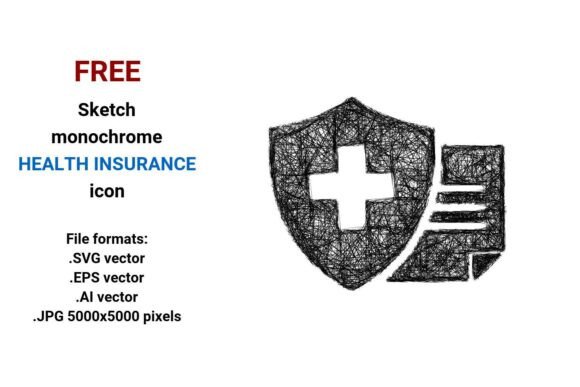
The first thing I noticed about this insurance claim icon was its ability to communicate professionalism while maintaining a soft, approachable feel. Its sketch style adds an artistic edge that differentiates it from overly technical or rigid illustrations often associated with financial or medical topics. The absence of color gives it a timeless quality, making it adaptable to almost any brand identity or visual theme—especially those leaning toward modern, minimal, or lifestyle-focused aesthetics.
This icon naturally supports content niches like health and wellness, personal finance, insurance education, and even small business branding. It feels less corporate and more community-oriented, which can be a welcome shift for blogs or websites aiming to build trust through relatable visuals.
Real-World Applications Across Content Channels
One of the strengths of this design asset lies in its adaptability. Whether you're creating Pinterest graphics, blog featured images, or social media previews, the Sketch Insurance Claim Icon integrates smoothly into various formats. Here are some practical use cases:
- Website Headers: Use the icon as a visual accent in your website header when publishing articles about health claims or insurance processes. It helps establish context quickly and improves visual hierarchy.
- Newsletter Banners: Pair the icon with clear, bold headlines to create compelling newsletter banners that draw attention to important updates or guides.
- Article Thumbnails: Incorporate it into thumbnail designs for category pages or archives focused on healthcare or insurance topics. Readers will instantly recognize the subject matter at a glance.
- Digital Guides and Lead Magnets: Add the icon to downloadable PDFs or worksheets related to insurance claims. It enhances the professional look of your resources and reinforces their credibility.
- Canva Templates: If you’re designing templates for clients or your own content marketing efforts, this icon is a great fit for educational or informative sections.
Boosting First Impressions and Click-Through Rates
In the fast-paced world of content publishing, first impressions count. A well-designed icon can make all the difference in how users perceive your content before they even read a word. The Sketch Insurance Claim Icon has a subtle but distinct presence that makes it ideal for hero images or article thumbnails. It doesn’t overwhelm the viewer but still communicates relevance and importance—key factors in improving click-through potential.
For bloggers covering insurance-related topics, especially in the health sector, this graphic can serve as a consistent visual motif. It helps reinforce brand identity by linking specific content types with familiar imagery, making it easier for readers to navigate your site and find what they need.
Design Considerations for Website and Editorial Layouts
When reviewing this icon for real publishing workflows, I considered how it would function in both print and digital environments. As a black-and-white sketch, it works exceptionally well in grayscale printables or digital download assets where color might be distracting or unnecessary. Its high-resolution JPG format (5000x5000 pixels) also ensures crisp detail in large-scale layouts, such as infographics or full-page ads.
I tested the icon alongside several font styles: serif, sans-serif, script, handwritten, and display fonts. In most cases, it paired elegantly with clean typefaces, especially in editorial layouts and content upgrades. However, it maintained readability even when placed next to bolder or more decorative fonts—a testament to its strong visual hierarchy and balanced composition.
Where This Icon Shines Brightest
Here are some of the best places to leverage this freebie in your content publishing strategy:
- Hero Images: Use it as a background element or focal point in landing pages introducing insurance-related services or resources.
- Pinterest Pins: Its clean lines and high resolution make it perfect for vertical pin designs that stand out in the feed.
- Editorial Accents: Drop it into sidebars, footers, or headers to subtly highlight sections dedicated to health or insurance topics.
- Downloadable Resources: Feature it prominently on lead magnets or digital product covers like checklists, guides, or printable templates.
- Social Media Previews: Embed it in preview images for videos or posts about filing claims or understanding coverage options.
Caution Zones for Strategic Placement
While the Sketch Insurance Claim Icon is highly versatile, there are a few scenarios where it may not perform optimally:
- Small Mobile Thumbnails: At lower resolutions, the details may become too fine to render clearly. Always test how it looks on mobile devices before finalizing use.
- Low-Contrast Backgrounds: Since it's a monochrome design, ensure it sits on a background that offers enough contrast for visibility.
- BUSY Layouts: Avoid using it in overcrowded or cluttered visuals where it could get lost among other elements.
- Corporate or Minimalist Niches: While it's professional, the hand-drawn style may not align with ultra-clean or formal brand identities. Evaluate whether the tone fits your audience expectations.
Practical Tips for Digital Publishers
Before integrating the Sketch Insurance Claim Icon into your workflow, consider these tips to maximize its impact:
- Test on Multiple Screens: Preview the icon on desktop, tablet, and mobile views to ensure it remains legible and effective across all devices.
- Thumbnail Testing: Create mockups of how it appears in thumbnail form to verify that it retains its visual strength when compressed.
- Layout Integration: Try placing it within a real blog layout or Canva template to see how it interacts with surrounding text and colors.
- Headline Pairing: Combine it with headline text to evaluate whether it enhances the message or distracts from it.
- Contrast and Readability: Especially if using it in black and white, ensure it complements the text and doesn’t compromise readability.
- File Size Optimization: For web performance, compress the JPG version appropriately and consider using SVG or EPS for scalable use in web design or print materials.
- Commercial Licensing: Confirm whether the asset is available under a commercial license if you plan to use it on monetized sites, affiliate marketing pages, or paid digital products.
Conclusion: A Thoughtful Addition to Your Creative Toolkit
The FREE Sketch Insurance Claim Icon isn’t just another freebie from the creative marketplace. It's a polished, thoughtful graphic design asset that can help you craft more engaging and trustworthy content. Whether you're working on a health-focused blog, a personal finance site, or developing digital guides for affiliate marketing, this icon provides a subtle yet powerful visual cue that supports your message effectively.
Its compatibility with multiple file formats—SVG, EPS, AI, and JPG—makes it easy to scale for different needs, from vector-based edits in Adobe Illustrator to high-quality raster exports for printables. And with additional keywords like "medical claim," "health claim," and "claim" already baked in, it's primed for SEO-friendly content creation in relevant niches.
By thoughtfully integrating this icon into your editorial design and website presentation, you can enhance category recognition, improve visual identity, and deliver content that feels both modern and trustworthy. Just remember to balance its expressive nature with your overall design goals and audience expectations.